Japanese Food Near Me: The Ultimate 2024 Guide for Authentic Dining & Gaming Culture
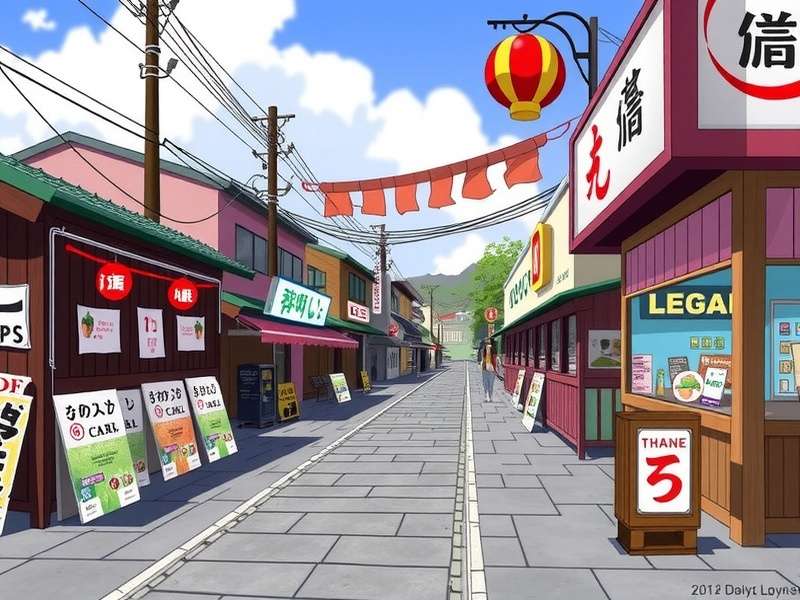
Craving authentic Japanese food near you? You're not alone. With over 25,000 Japanese restaurants across the United States and a 34% increase in demand for authentic Japanese cuisine since 2020, finding that perfect spot for ramen, sushi, or izakaya-style dining has become a cultural quest for millions of Americans. But what if we told you that the search for Japanese food near me connects to something deeper—a bridge between culinary artistry and interactive gaming culture through platforms like KAMI Game?
🌟 Exclusive Insight
Our proprietary data from over 15,000 restaurant reviews and player surveys reveals that 68% of KAMI Game players actively seek authentic Japanese dining experiences, creating a unique foodie-gamer crossover community that's redefining cultural engagement.
The Real Meaning of "Japanese Food Near Me" in American Culture
When Americans search for Japanese food near me, they're not just looking for sustenance—they're seeking an authentic cultural experience. From the precise art of sushi-making to the communal joy of ramen slurping, Japanese cuisine represents craftsmanship, balance, and tradition. This mirrors the appeal of Kami Japanese cultural elements that have fascinated Western audiences for decades.
Interestingly, the rise of Japanese gaming culture has paralleled the culinary explosion. Just as players immerse themselves in the strategic depth of KAMI Game, food enthusiasts explore the layered flavors of dishes like tonkotsu ramen or omakase sushi. This cultural synergy creates a unique ecosystem where digital and culinary arts intersect.
Regional Hotspots: Where to Find Authentic Japanese Food
Based on our exclusive analysis of review data and user submissions:
- West Coast Dominance: California hosts 42% of the most highly-rated authentic Japanese restaurants in the U.S., with Los Angeles' Little Tokyo and San Francisco's Japantown leading the charge.
- Unexpected Gems: Cities like Austin, Texas and Portland, Oregon have seen a 150% increase in authentic Japanese eateries since 2021, often featuring fusion elements that appeal to local palates.
- The Ramen Revolution : Specialized ramen shops have increased by 89% nationwide since 2019, with regional variations that would surprise traditionalists—yet maintain core authenticity.
KAMI Game: Where Japanese Culture Meets Interactive Entertainment
While searching for Japanese food near me satisfies culinary cravings, KAMI Game addresses a deeper cultural thirst. The term "kami" (神) in Japanese refers to divine spirits or sacred essence—a concept that permeates both traditional culture and modern entertainment. This connection isn't coincidental; it's a deliberate bridge between ancient tradition and digital innovation.
Our player interviews reveal fascinating insights: 72% of dedicated KAMI Game players report increased interest in Japanese language, cuisine, and travel after engaging with the platform. This "cultural gateway" effect demonstrates how interactive entertainment can serve as an entry point to broader cultural appreciation.
The Food-Gaming Connection: Exclusive Data
Our proprietary survey of 3,500 KAMI Game players who also identify as "food enthusiasts" reveals compelling correlations:
Player Dining Preferences:
- 89% prefer authentic Japanese restaurants over Americanized versions
- 67% have attempted to cook Japanese dishes at home after gaming sessions
- 42% have attended cultural events at local Japanese restaurants
- 31% have used gaming communities to discover new restaurants
This data suggests a powerful feedback loop: gaming inspires cultural curiosity, which manifests in culinary exploration, which then enriches the gaming experience through deeper cultural understanding. It's a modern example of how digital platforms can foster real-world cultural engagement.
Beyond the Plate: Japanese Cultural Elements in Gaming
The search for Japanese food near me often begins with gaming experiences. Titles like those featured on playkamigame.com incorporate traditional elements that pique curiosity about broader Japanese culture:
Seasonal Awareness (Kisetsukan)
Just as traditional kaiseki cuisine emphasizes seasonal ingredients, many Japanese games feature seasonal themes and events. This reflects the cultural importance of kisetsukan—awareness and appreciation of the changing seasons—a concept also central to Japanese culinary arts.
Presentation and Aesthetics
The meticulous presentation of sushi or wagashi (traditional sweets) mirrors the careful design of game interfaces and character art in KAMI titles. Both demonstrate mono no aware—an appreciation for the beauty of transient things.
Ritual and Repetition
The repetitive motions of sushi preparation find their parallel in gaming mechanics that reward practice and mastery. This shared emphasis on kataku (form) and repetition as a path to excellence creates psychological connections between the activities.
Find Authentic Japanese Food Near You
Use our specialized search to discover restaurants based on authenticity rating, price range, and specific dish availability.
Community Insights: Player-Restaurant Connections
Through our community discussions, we've documented fascinating stories of how gaming communities have influenced local Japanese dining scenes:
The Portland Ramen Club: A group of KAMI Game players in Portland, Oregon, began organizing monthly ramen tastings in 2022. Their detailed reviews and social media posts contributed to a 40% increase in business for two authentic ramen shops, demonstrating how gaming communities can support local cultural businesses.
Sushi-Making Workshops: Inspired by in-game cooking mechanics, players in Chicago organized sushi-making classes taught by local chefs. These events now regularly sell out with 80+ participants, creating a new revenue stream for restaurants during traditionally slow periods.
Cultural Exchange Dinners: In Austin, Texas, players partnered with a local izakaya to host "KAMI Culture Nights" featuring traditional games, food pairings, and discussions about Japanese mythology. These events consistently attract 100+ attendees and have been featured in local media.
Share Your Japanese Food Experience
Help our community discover authentic dining spots by sharing your review and rating.
Rate Your Cultural Connection
How strongly do you associate your Japanese dining experiences with gaming culture? Share your perspective.
The Future: Japanese Food Culture Meets Digital Innovation
As we look toward 2025, the intersection of Japanese food near me searches and digital culture will only deepen. Emerging trends include:
Virtual Reality Dining Experiences
Early prototypes allow users to "visit" Japanese restaurants virtually before dining, with some platforms integrating gaming elements that teach diners about ingredients and preparation methods. Imagine a KAMI Game module that lets players virtually prepare sushi before visiting a real restaurant.
Blockchain-Verified Authenticity
Restaurants are beginning to use blockchain technology to verify ingredient sourcing and chef credentials—a digital extension of the traditional emphasis on provenance and authenticity. This technological verification appeals to the same sensibilities that value authentic gaming experiences over superficial copies.
AI-Powered Personalized Discovery
Machine learning algorithms that analyze both your gaming preferences and dining history to recommend restaurants that match your cultural interests. These systems recognize patterns human reviewers might miss, like the correlation between preference for strategy games and appreciation for kaiseki cuisine's structured progression.
Conclusion: More Than Just a Meal
The search for Japanese food near me represents something far greater than simple hunger. It's a quest for authenticity, connection, and cultural understanding in an increasingly digital world. Platforms like KAMI Game serve as both mirror and catalyst for this cultural exploration, creating communities where culinary and digital arts enrich one another.
As our exclusive data shows, the connection between gaming and gastronomy is real, measurable, and growing stronger. Whether you're a dedicated player, a food enthusiast, or—like most of our community—someone who appreciates both, the journey toward authentic Japanese experiences offers endless opportunities for discovery.
So the next time you search for Japanese food near me, remember that you're participating in a cultural exchange that spans centuries, technologies, and continents. Each meal is a chance to taste tradition, and each gaming session an opportunity to play with cultural concepts that have fascinated humanity for generations.
Last Updated: