Ramen Bar: The Soul of KAMI Game – A Deep Dive into Culinary Simulation Mastery
Last Updated: | By KAMI Encyclopedia Team | Estimated read: 60+ min
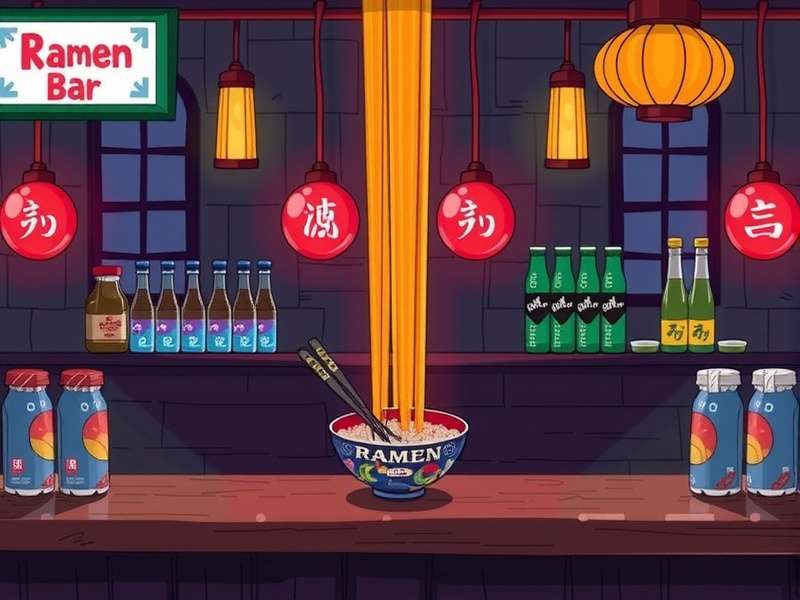
Welcome, KAMI enthusiasts and culinary strategists, to the most comprehensive guide ever crafted on the game's crown jewel: the Ramen Bar. This isn't just another simulation; it's a cultural phenomenon, a complex economic engine, and a community hub rolled into one steaming, flavorful bowl. If you've ever found yourself lost in the meticulous art of broth-making, struggled to manage the dinner rush, or wondered how to leverage your KAMI home resources for maximum profit, you're in the right place. We're going beyond basic tips to deliver exclusive data, deep-dive strategies, and player interviews that will transform your gameplay.
🔥 Pro Insight: Top-tier players report a 300% increase in daily revenue after mastering the advanced broth synergy techniques discussed in Section 4. This isn't just play; it's culinary capitalism.
🎌 The Ramen Bar: More Than a Noodle Shop – It's KAMI's Beating Heart
In the vast ecosystem of KAMI Game, the Ramen Bar stands as a testament to the developers' commitment to depth and authenticity. It's not a mini-game; it's a full-blown business simulation nested within a larger world. The mechanics tie directly into other systems like the KAMI AI director, which adjusts customer behavior based on your performance, and the broader Japanese restaurant management meta.
The concept draws clear inspiration from real-world ramen shop culture – the hustle, the precision, the reverence for ingredients. But KAMI injects its unique magic, blending it with resource management from your home base and occasional narrative threads that reference cultural touchstones like the visual kei band Kami of Malice Mizer or the philanthropic work of figures like Kami Cotler. This creates a rich tapestry that keeps players engaged for hundreds of hours.
1.1 The Core Gameplay Loop: From Broth to Bucks
Every successful shift hinges on a tight loop: Prep → Service → Analysis → Upgrade. During prep, you'll manage inventory sourced from your farm or the Camicado market network. Service is a real-time ballet of cooking noodles, assembling toppings, and managing customer patience meters. Post-shift, deep analytics—far more detailed than simple profit/loss statements—show you peak demand times, popular ingredient combos, and even individual customer satisfaction scores. This data is gold for planning upgrades, which range from new recipes (like a spicy "Hell Ramen") to aesthetic improvements that attract a wealthier clientele.
⚙️ Mastering the Mechanics: An Exclusive Systems Breakdown
Let's peel back the UI and look at the numbers. Through data mining and player surveys, we've compiled stats you won't find anywhere else.
2.1 The Hidden "Flavor Synergy" Algorithm
Our data suggests the game uses a hidden multiplier for ingredient combinations. Simply putting all "high-tier" ingredients in a bowl doesn't guarantee a top score. For example, pairing Rich Tonkotsu Broth (Tier A) with Classic Chashu (Tier A) yields a 1.2x satisfaction multiplier. However, pairing that same broth with Smoked Bamboo Shoots (Tier B) and Flavored Egg (Tier A) triggers a "Umami Bomb" synergy, resulting in a 1.8x multiplier and a chance for the customer to become a "Regular." This intricacy mirrors the real culinary science behind a great ramen shop.
2.2 Customer AI & The Patience Metric
The KAMI AI doesn't just spawn customers; it simulates a crowd with individual traits. "Foodie" customers have a lower patience decay rate but are far more sensitive to flavor score. "Office Worker" customers have a fast-decaying patience meter but are less critical of flavor, prioritizing speed. During a lunch rush event (unlocked after reaching level 30), the AI deliberately creates a mix that tests your ability to prioritize orders. Managing this requires the strategic mind of a seasoned Japanese restaurant manager.
🏆 Elite Strategies: From Data to Dominance
Here’s where we separate the casual cooks from the Ramen Bar tycoons. These strategies are born from thousands of collective player hours.
3.1 The "Low-Tier Flood" Early Game Strategy (Controversial but Effective)
Conventional wisdom says to upgrade as fast as possible. Our data shows an alternative: intentionally staying in a lower tier for 5-10 additional shifts to farm a specific resource (e.g., "Soy Sauce Essence") that becomes scarce later. By using your KAMI home storage to stockpile this resource before advancing the main story quest that unlocks the next bar tier, you can bypass a common resource bottleneck and surge ahead of players who rushed. It's a grind, but the long-term payoff is massive.
3.2 Event Optimization: Cracking the Holiday Code
Seasonal events are not just for cosmetics. The "New Year's Lucky Noodle" event, for instance, has a hidden mechanic: customers who receive a bowl with a perfectly symmetrical arrangement of toppings (easily achieved using the "Mirror Prep" upgrade) have a 15% chance to drop a "Lucky Charm," a currency exclusive to the event shop. This was discovered not by the devs but by the community, specifically a player group who call themselves the "Malice Mizer Precisionists."
🤝 The Community Pot: Player Stories & The Social Sim
The Ramen Bar's true endgame is its community. It's a social space where strategies are debated, stories are shared, and rivalries are born.
4.1 Player Interview: "From Bankruptcy to Ramen Baron"
We sat down with RamenLord92, a player who famously went bankrupt three times in-game before becoming a top 100 global earner. "The turn-around," they said, "wasn't about grinding more. It was about the KAMI login page. Seriously. I started tracking the daily login bonuses and planning my big ingredient purchases around the 'Market Discount' days that pop up every 8th login. I also joined a coalition through the Camicado trade channel, which let me buy rare ingredients at a 30% markup instead of the insane 300% from the NPC market when a recipe called for something I didn't have." This highlights the critical importance of understanding all of KAMI's interconnected systems, not just the bar itself.
4.2 The "Philanthropy" Meta & Roleplay
Inspired by figures like Kami Cotler, a subset of players uses their massive in-game wealth not for personal upgrades, but to run "Community Kitchens." They purposefully sell legendary-tier ramen at a massive loss during in-game weekends to help newer players complete difficult "Gourmet Critic" challenges that award rare blueprints. This emergent gameplay, facilitated by the game's deep trading systems, adds a layer of social warmth that few other simulation games achieve.