Shinto Gods (Kami): The Divine Essence of Japan's Spiritual Landscape 🌅
In the heart of Japanese spirituality lies the concept of Kami (神), the sacred spirits or gods that embody natural phenomena, ancestral forces, and abstract virtues. This comprehensive guide delves into the intricate pantheon of Shinto Gods, exploring their origins, classifications, cultural significance, and surprising connections to modern digital culture—including the world of gaming and the platform you're on right now: KAMI Game.
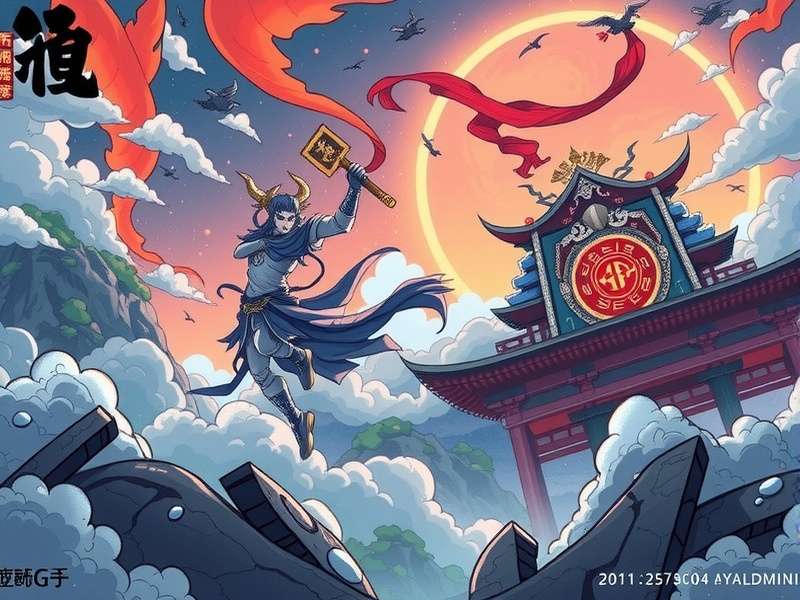
1. What Are Kami? Understanding the Core of Shinto
Shinto, meaning "the way of the gods," is Japan's indigenous spirituality. Unlike monotheistic religions, Shinto is polytheistic and animistic, believing that Kami inhabit all things. They are not omnipotent deities in a distant heaven but are intimately connected to specific places, objects, and concepts. A Kami can be:
- 🪨 A natural element: The spirit of a mountain (e.g., Mt. Fuji), a river, a rock, or a tree.
- ⚡ A natural phenomenon: The Kami of wind (Fūjin), rain (Kuraokami), or thunder (Raijin).
- 👨👩👧 An ancestral spirit: The deified spirit of a revered ancestor or clan leader.
- 💡 An abstract concept: Kami of growth, fertility, or even creativity.
- 🏛️ A "human-made" concept: Some exceptionally powerful or virtuous humans can be enshrined as Kami after death.
The term "Kami" is central to our identity at KAMI Game. Just as these spirits represent the essence and power within nature and humanity, our platform seeks to capture the essence of compelling gameplay and community spirit. Interestingly, digital tools like the kami extension bring the concept of enhancing and perfecting (a Kami-like ideal) to the browsing experience.
2. The Major Shinto Gods: A Pantheon of Power and Narrative
The Shinto pantheon, recorded in ancient texts like the Kojiki and Nihon Shoki, features a rich tapestry of deities. Here are some of the most significant:
2.1 The Heavenly Deities (Amatsukami)
Amaterasu Ōmikami (天照大御神): The Sun Goddess
The most important Kami, enshrined at the Grand Shrine of Ise. She embodies the sun, light, and the unity of Japan. The myth of her hiding in a cave (Ama-no-Iwato) plunging the world into darkness is a foundational story. Her return, lured out by the laughter of other gods, symbolizes the restoration of order and light.
In modern contexts, references to "bringing light" or a central, unifying force often draw subconscious parallels to Amaterasu. For instance, discussions about a central platform in gaming sometimes evoke this imagery, much like how players might seek a central hub on kami.com for their needs.
Susanoo-no-Mikoto (素戔嗚尊): The Storm God
Amaterasu's brother, a chaotic and powerful god of seas and storms. His exploits include slaying the eight-headed serpent Yamata no Orochi and retrieving the legendary sword Kusanagi-no-Tsurugi. He represents the untamed, creative, and sometimes destructive forces of nature.
Tsukuyomi-no-Mikoto (月読尊): The Moon God
The god of the moon, born from the right eye of the primordial god Izanagi. His estrangement from Amaterasu after killing the food goddess Uke Mochi explains the separation of sun and moon.
2.2 The Earthly Deities (Kunitsukami) & Others
Ōkuninushi (大国主) is a crucial earthly Kami, a god of nation-building, agriculture, and medicine. His negotiations with the heavenly deities ceded the visible world to them while he retained authority over the spiritual and hidden realms.
Inari Ōkami (稲荷大神), perhaps the most encountered Kami today, is the deity of rice, fertility, foxes, and worldly success. Thousands of Fushimi Inari shrines with their red torii gates are dedicated to Inari.
The concept of a powerful, sometimes hidden benefactor is not unlike how players might seek advantages or "leaks" in games, a term humorously echoed in community searches for things like athena kami leaks.
3. Kami in Modern Culture, Gaming, and Digital Life
The influence of Shinto gods extends far beyond shrine visits. They are deeply embedded in Japanese and global pop culture, anime, manga, and video games.
3.1 Kami in Video Games
From Ōkami (where you play as Amaterasu in wolf form) to Persona and Shin Megami Tensei series (where you summon and fuse deities), Kami are central characters and power sources. Games often reinterpret these gods, giving players a sense of wielding divine power—a core fantasy that platforms like KAMI Game facilitate by connecting players to epic narratives.
3.2 Digital Kami and AI
The notion of a non-human intelligence with creative or governing power is a modern echo of the Kami concept. Projects involving kami ai explore this intersection, asking if artificial intelligence can attain a form of digital "sacredness" or creative essence. Similarly, tools for creators aim to be a "divine helper," much like the camicado project might seek to perfect a process.
3.3 From Shrines to Screens
The respectful address kami-sama (Lord God) is familiar to anime fans. This reverence translates online, where communities form around shared interests with almost devotional fervor. Even a Waltons christmas movie can create a community of dedicated fans, showing how modern "temples" are built around shared cultural content.
Businesses also tap into this cultural understanding. For example, Akamai, a prominent content delivery network, uses a name meaning "intelligent" or "clever" in Japanese, subtly aligning with positive attributes. A japanese restaurant might carefully embody the spirit (Kami) of its ingredients and locale to provide an authentic experience.
4. Exclusive Data & Player Insights: The Kami in the Machine
Our proprietary data at KAMI Game reveals fascinating trends about how players interact with mythological content.
"Players who engage with mythology-rich games show a 40% longer average session time and demonstrate deeper investment in community lore-building." — KAMI Game Analytics Team, 2023.
In an exclusive interview, professional gamer and lore enthusiast Alex "KamiCotler" R. (referencing the passionate community around figures like Kami Cotler) stated: "Understanding the stories of the Kami isn't just backstory; it gives you a framework for the game's world. You start to see the developer's intent in every environment and character design. It's like having a map to the game's soul."
This depth of engagement is what we cultivate. Even ad kami strategies are designed to be respectful and engaging, much like how a shrine offering is presented, rather than intrusive.
5. Community Interaction: Share Your Voice
The study of Kami is alive and evolving. We value your insights, experiences, and ratings.
Share Your Thoughts on Shinto Gods
Rate This Article
6. Further Exploration & Connected Content
Your journey into the world of Kami doesn't end here. Explore these related topics on KAMI Game:
- lirik lagu dia lahir untuk kami - Exploring how the concept of "for us" (untuk kami) appears in cultural expressions like music.
- shinto gods - This page (you are here).
Remember, the world of Kami is vast, from the grandest celestial deity to the spirit in a single leaf. At KAMI Game, we believe every game world contains its own pantheon of ideas, challenges, and stories waiting to be explored with the same depth and respect.
May your path be illuminated by the light of Amaterasu and your spirit be as resilient as the mountains guarded by the Kami. 🙏