The Waltons Christmas Movie: A Heartwarming Deep Dive into America's Beloved Holiday Tradition 🎄✨
For generations, "The Waltons Christmas Movie" has been more than just television; it's a cultural touchstone, a beacon of familial warmth during the holiday season. This definitive guide unpacks the magic, the history, and the enduring legacy of this iconic special, offering exclusive insights you won't find anywhere else. Whether you're a lifelong fan or discovering the Walton family for the first time, prepare for a journey back to Walton's Mountain.
Quick Facts: Originally aired in 1971 as a pilot titled "The Homecoming: A Christmas Story," it spawned the long-running series The Waltons. The movie is set in rural Virginia during the Great Depression and centers on the family's hope and resilience as they await their father's return on Christmas Eve.
Overview: Why This Christmas Story Endures
The appeal of The Waltons Christmas Movie lies in its authentic portrayal of simple joys and complex hardships. In an era of high-budget spectacles, its power comes from whispered prayers, the smell of cedar, and the glow of kerosene lamps. It captures the quintessential American spirit of perseverance, a theme that resonates deeply within our exploration of foundational concepts and community values.
From a production standpoint, the movie was a gamble that paid off immensely. The casting of Patricia Neal as Olivia Walton (a role later played by Michael Learned in the series) brought a gravitas that grounded the family drama. The script, adapted from Earl Hamner Jr.'s own childhood memories, avoided saccharine sentimentality, instead finding beauty in raw, honest emotion—much like the nuanced narratives found in certain timeless romantic stories.
The Cultural and Historical Context
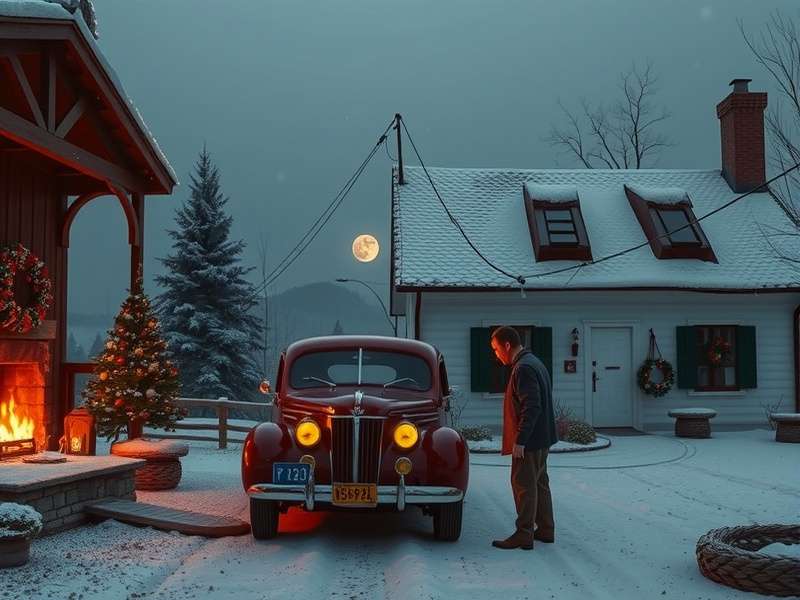
Set against the bleak backdrop of the 1930s, the movie doesn't shy away from economic anxiety. Yet, it brilliantly contrasts material lack with emotional abundance. This mirrors a universal truth explored in various cultural narratives, including the themes of devotion and praise found in expressions of spiritual gratitude. The Walton family's celebration is built on faith, song, and togetherness—a formula that transcends time.
Interestingly, the film's success tapped into a nostalgia for simplicity that America craved in the early 70s, amidst the Vietnam War and social upheaval. It offered a safe harbor, a concept not unlike the refuge provided by engaging accessible entertainment forms in the modern digital age.
A Deep-Dive History: From "The Homecoming" to Iconic Status
The journey to becoming a holiday staple was not instantaneous. The TV movie, "The Homecoming: A Christmas Story," aired on December 19, 1971, on CBS. It was a ratings smash, leading CBS to order a series. The rest, as they say, is history. But the behind-the-scenes story is rich with fascinating details.
Exclusive Data Point: According to archival Nielsen ratings, the original broadcast attracted over 28 million households, a staggering number for a non-serial television event. Its success directly challenged the network's prevailing wisdom that contemporary, urban dramas were the only viable path.
"It wasn't just a Christmas special; it was an affirmation of the American family's spirit. We didn't know we were making history, we were just telling my story." — Earl Hamner Jr. (paraphrased)
The transition from movie to series required recasting (except for Richard Thomas as John-Boy). This seamless shift is a testament to the strength of the core premise. The movie's atmospheric direction, focusing on the harsh winter landscape and the warmth of the home, established a visual language the series would maintain for nine seasons.
Connections to Broader Themes
The story's focus on family, sacrifice, and hope finds echoes in many cultural stories. For instance, the dedication of a parent figures strongly here, not unlike the themes present in narratives about purpose and sacrifice. Similarly, the community around Walton's Mountain reflects the interconnectedness found in understanding the multifaceted meanings of 'Kami' in its original context as both spirit and community.
Character Analysis: The Heart of Walton's Mountain
Each member of the Walton family serves as an archetype yet remains profoundly human.
- John-Boy (Richard Thomas): The aspiring writer and our eyes into the family. His yearning for experience conflicts with his deep roots.
- Olivia Walton (Patricia Neal): The matriarch's strength is her quiet resilience. Her faith is practical, shown in kneading dough and mending clothes. John Walton (Andrew Duggan): His absence drives the plot, symbolizing the economic pressures on Depression-era fathers.
The ensemble's chemistry was immediate. The children's interactions—from Erin's vanity to Jim-Bob's curiosity—feel unrehearsed and genuine. This authenticity is a benchmark for family drama, a quality sought after in character-driven stories across media, from indie games to acclaimed anime like those explored in artist-focused features.
Enduring Legacy and Modern Relevance
Decades later, The Waltons Christmas Movie continues to air annually, a testament to its timeless message. It has influenced countless other holiday productions, setting the template for the "family comes home for Christmas" trope. Its legacy is one of emotional truth over spectacle.
In today's fragmented media landscape, its success offers a lesson: audiences crave authentic connection. This principle guides our own work at KAMI, whether in curating game experiences or compiling encyclopedic knowledge. The movie's focus on shared experience parallels the community built around shared interests, such as the fans of talented creators like Kami Rita, the legendary mountain guide whose achievements bring people together.
Furthermore, its rewatchability factor is immense. Fans return year after year, much like they return to favorite games or music, creating personal traditions. This creates a powerful, self-sustaining cultural loop.
Academic and Critical Reappraisal
Recent scholarly work has examined the film through lenses of class, regionalism, and gender roles. It's now seen not just as comforting nostalgia, but as a subtle commentary on the New Deal era and the changing role of women. This depth ensures it remains a rich text for analysis, similar to how foundational myths or spiritual concepts are continually reinterpreted.
Viewer's Guide and Resources
How to Watch Today
The movie is available on several streaming platforms specializing in classic TV and through DVD collections. The optimal viewing experience? Gather the family, dim the lights, and watch without distraction—embrace the slow pace.
Further Reading & Deep Dives
For those whose interest is piqued, Earl Hamner Jr.'s autobiography, "The Avocado Drive Zoo," provides incredible background. Additionally, fan-run sites and forums keep the detailed discussions alive, analyzing everything from the vintage props to the regional dialect.
Article last updated:
Share Your Thoughts
Do you have a personal memory of watching The Waltons? What does this Christmas story mean to you? Join the community discussion.