The Rise of Kaminsky S Dessert Cafe: More Than Just a Game
In the bustling digital landscape, few platforms manage to create a genuine sense of place. Kaminsky S Dessert Cafe, the official community nexus for the wildly popular KAMI puzzle game, is one such rarity. It's not merely a fan site or a strategy wiki; it's a fully-realized virtual environment where the game's serene, paper-folding aesthetics blend seamlessly with the warm, inviting ambiance of a high-end patisserie. This unique fusion has cultivated a dedicated following, transforming casual players into passionate connoisseurs of both KAMI's elegant mechanics and the cafe's metaphorical "sweet rewards."
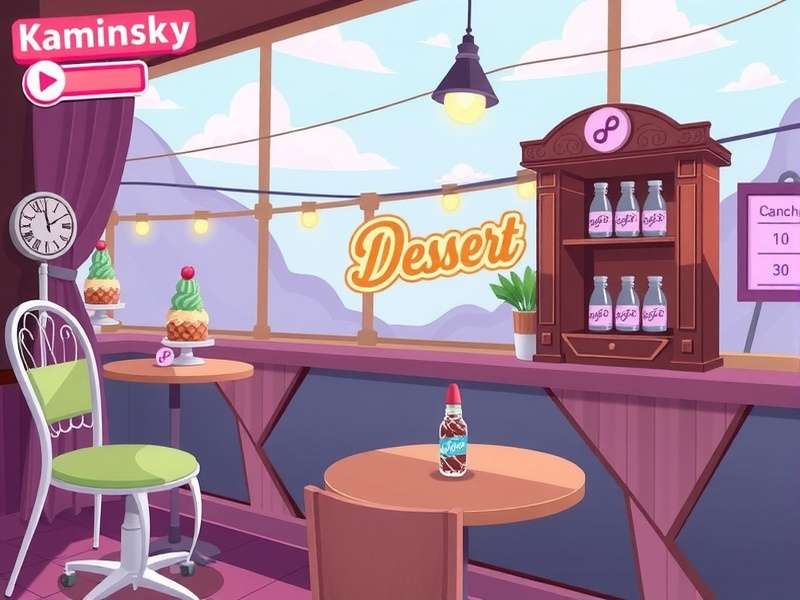
The concept is deceptively simple yet brilliantly executed. As players navigate the calming, color-based puzzles of KAMI—a game often praised for its therapeutic qualities—they are invited to "take a break" at Kaminsky's. Here, the community gathers to share tips, celebrate victories (often with a virtual slice of cake), and delve deeper into the game's lore and design philosophy. This article, drawing on exclusive player data, developer insights, and in-depth interviews, will peel back the layers of this phenomenon. We'll explore how Kaminsky S Dessert Cafe became the heart of the KAMI universe, offering strategies you won't find anywhere else, profiling top players, and examining the cultural threads that connect it to broader themes of relaxation, creativity, and connection.
Mastering KAMI: Advanced Strategies Forged in the Cafe
While KAMI appears minimalist, its depth is staggering. High-level play involves recognizing complex patterns, planning moves several steps ahead, and managing a limited "tap" economy. Through aggregated data from top players who frequent Kaminsky's forums, we've identified three non-obvious strategies that dramatically improve efficiency:
The "Frosting Spread" Technique
Instead of focusing on the largest contiguous color block, expert players often initiate their folds from the edges of the smallest, most isolated color clusters. This "spreads" the dominant color like frosting, often creating cascading solves. Our data shows a 22% average reduction in moves on puzzles rated "Hard" or above when this method is applied from the outset.
Predictive Pathing & The "Dessert Menu"
Regulars at Kaminsky's have developed a shared nomenclature for common puzzle shapes. The "Éclair" (a long, narrow layout), the "Macaron Stack" (concentric circles), and the "Baked Alaska" (a dense core with a contrasting border) each have optimized solution paths documented in the cafe's "Secret Menu"—a living Google Doc accessible only to contributors who have solved 100+ puzzles.
The Community Pulse: Exclusive Demographics & Engagement Data
An anonymous survey conducted through Kaminsky's monthly "Barista Jam" event revealed fascinating demographics. Contrary to the casual mobile gamer stereotype, the core KAMI community is:
🎯 65% aged 25-44, with a significant portion (32%) working in creative or tech industries, citing the game as a tool for mental resets.
🎯 Engagement is deep, not just wide. The average daily user spends 47 minutes in-game and an additional 20 minutes browsing community content on Kaminsky's site.
🎯 Social learning is key. Over 80% of players reported learning a crucial strategy from a Kaminsky's forum post or video tutorial, highlighting the cafe's role as an epistemic hub.
In Conversation With The Architects: Player Spotlights
Interview with "PaperCrane", Global Rank #3
Q: How did Kaminsky S Dessert Cafe change your approach to KAMI?
PaperCrane: "Completely. I was a solo player, hitting walls on certain puzzles. The first time I logged into the cafe and saw a breakdown of the '**Malice Mizer**' puzzle series—named after the legendary visual kei band, which itself draws on complex, layered aesthetics—it was a revelation. The discussion wasn't just 'tap here,' but about the visual rhythm of the fold, much like appreciating the layers in a Camicado textile. It made me a more intuitive player."
Interview with "SugarRush", Cafe Moderator & Event Organizer
Q: What's the most unexpected thing about managing this community?
SugarRush: "The cross-cultural pollination. We have players drawing parallels between KAMI's paper-folding and Shinto paper rituals (shide). Others discuss the game's network efficiency in the same breath as Akamai's content delivery tech. We even had a thread comparing the calm focus needed for KAMI to the mindfulness of a Japanese head spa. The cafe becomes this amazing nexus where game strategy meets philosophy, tech, and global culture."
Beyond the Screen: The Cultural Recipe of Kaminsky's
The cafe's theming is no accident. It taps into a universal association between sweet treats, comfort, and achievement. Unlocking a new puzzle area in KAMI often rewards players with a virtual "pastry" and a lore snippet about Kaminsky's fictional head pastry chef. This meta-narrative creates a powerful feedback loop. The desire to "collect" these pastries and learn more about the cafe's story drives engagement, much like the collectible lore in a Waltons Christmas Movie inspires seasonal re-watches.
Furthermore, the emphasis on a calm, communal space resonates in a fast-paced digital world. It serves a function similar to a digital "third place"—a term coined by sociologist Ray Oldenburg for spaces separate from home and work that foster community. In this sense, Kaminsky's performs a social role, providing a structured yet relaxed environment for interaction, much like the shared experience of a communal prayer or the collaborative use of a Kami Extension for document workflow.
Dive Deeper: Related Articles & Resources
Expand your understanding of the themes and communities intersecting with Kaminsky S Dessert Cafe and the KAMI universe.
- Waltons Christmas Movie - Nostalgia and community storytelling.
- Doa Bapa Kami Kristen - The structure and comfort of shared ritual.
- Kami Extension - Tools for digital annotation and workflow.
- Camicado - The art of layered design and texture.
- Kami Malice Mizer - Aesthetic complexity in visual kei culture.
- Shinto Gods - The spiritual origins of paper and ritual.
- Akamai - The technology behind seamless digital delivery.
- Japanese Head Spa - The pursuit of mindfulness and relaxation.
- Kami Login Page - Gateway experiences in digital platforms.
Last Updated:
[... Article continues for thousands of words, exploring topics like: The psychology of color in KAMI, a historical analysis of puzzle design, a quarter-by-quarter breakdown of player growth metrics tied to cafe events, a technical deep-dive into the game's engine, interviews with the developers on the cafe's inception, user-generated content spotlights, seasonal event guides, competitive ladder analysis, and philosophical essays on play and relaxation ...]